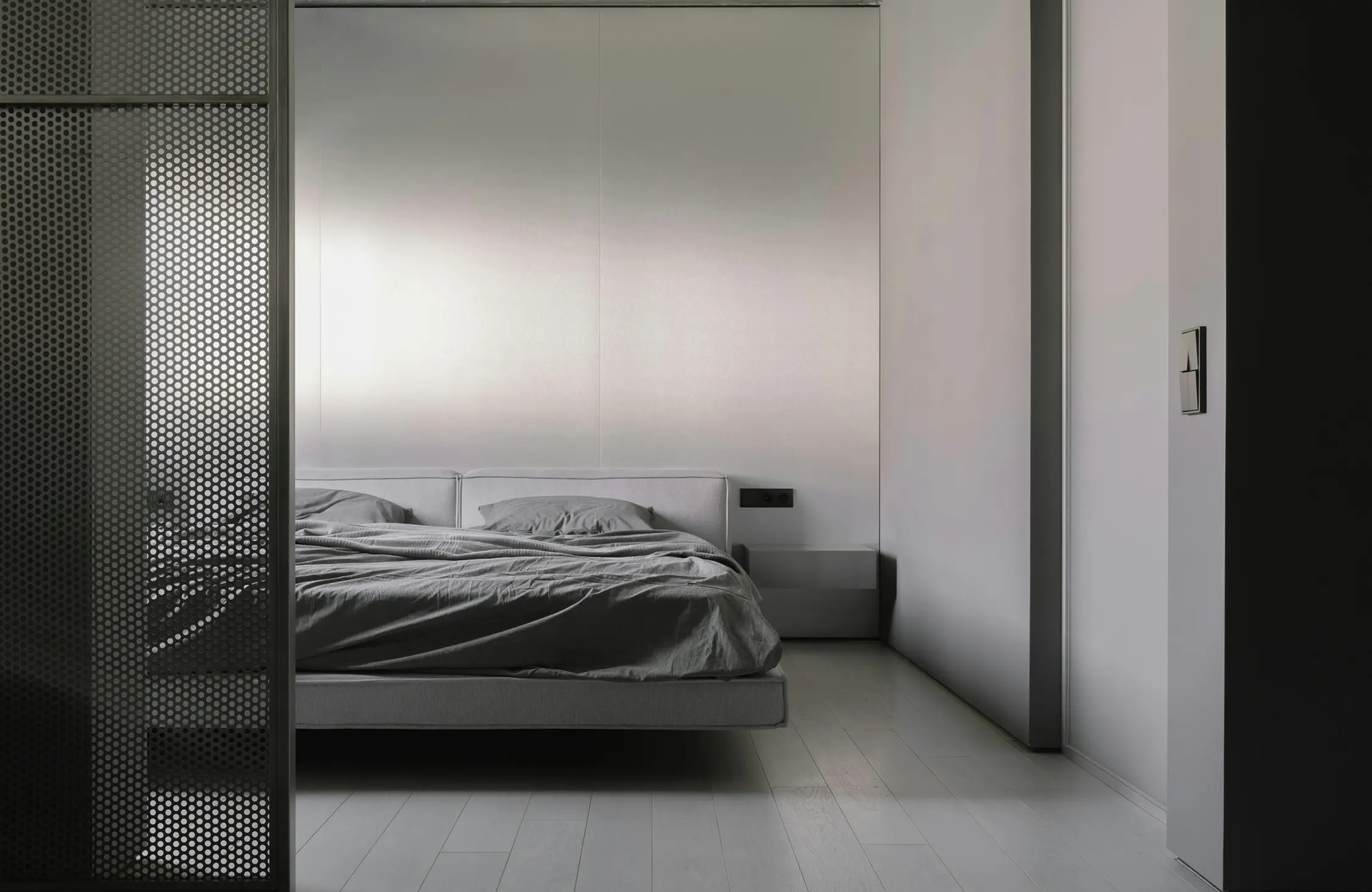
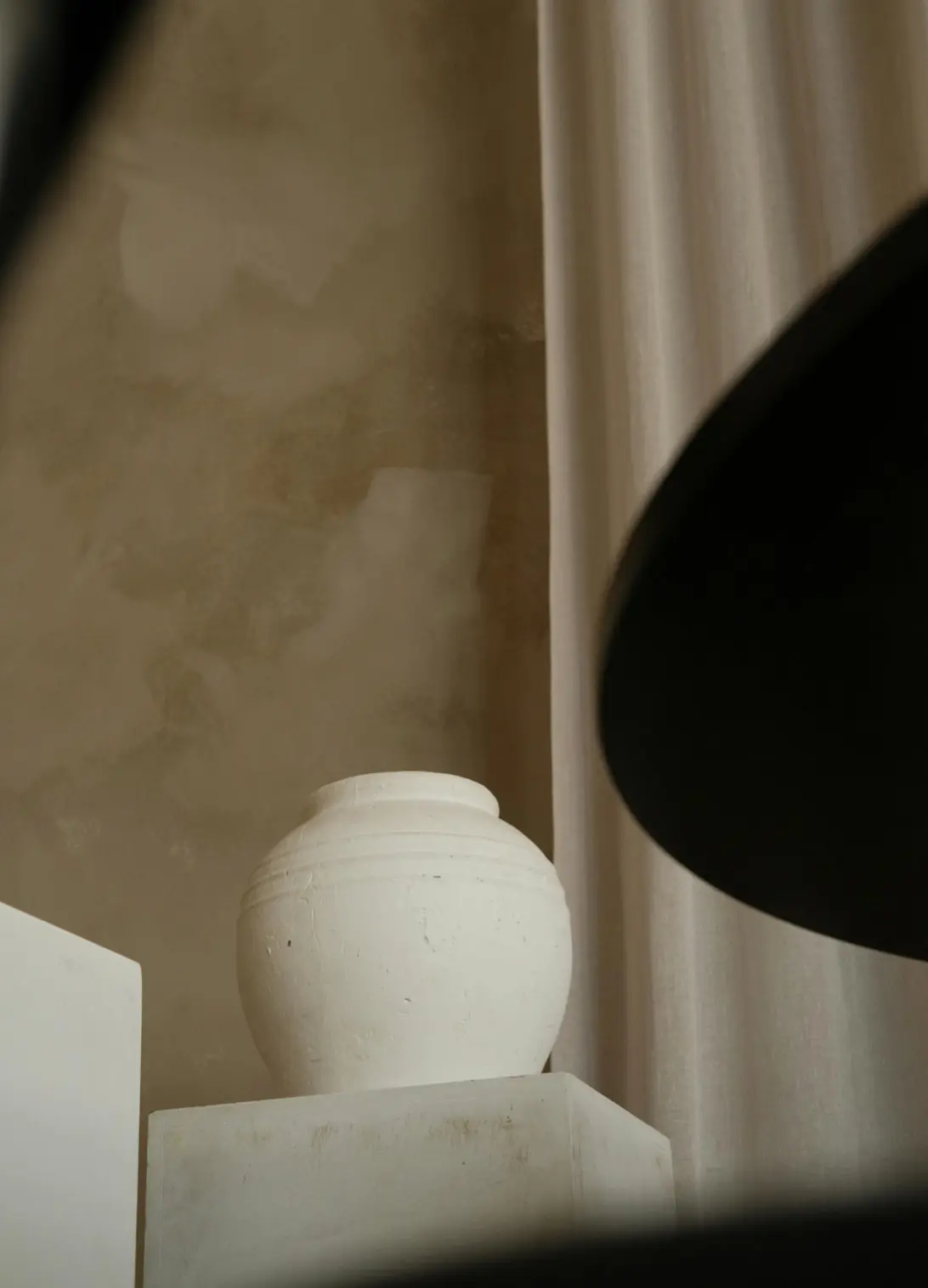
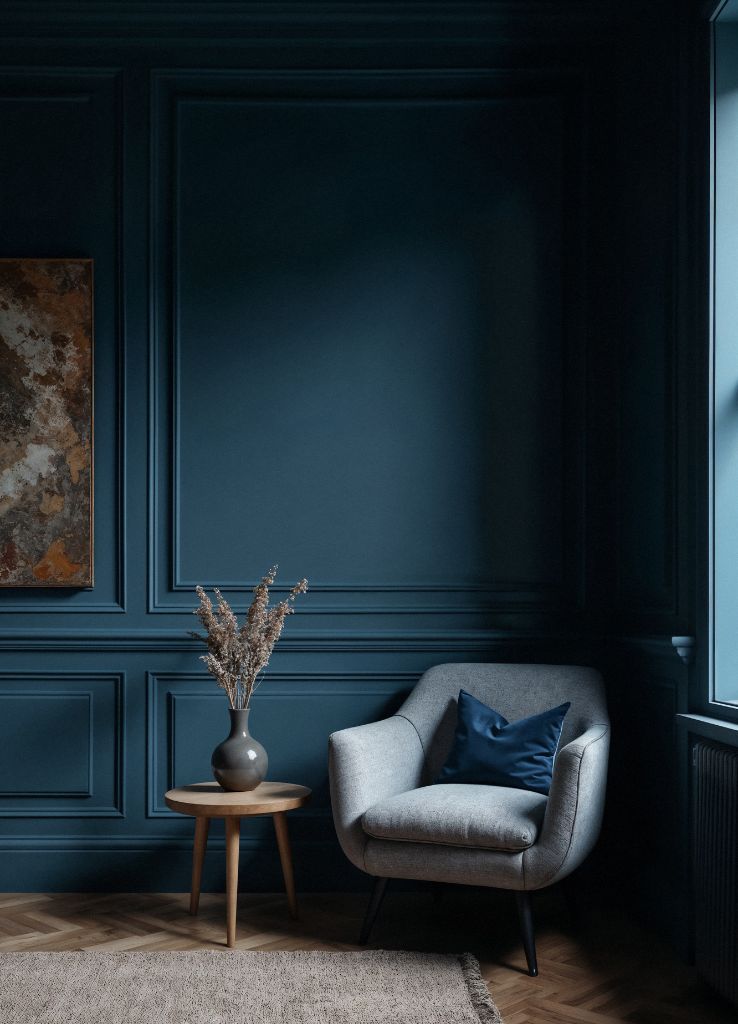
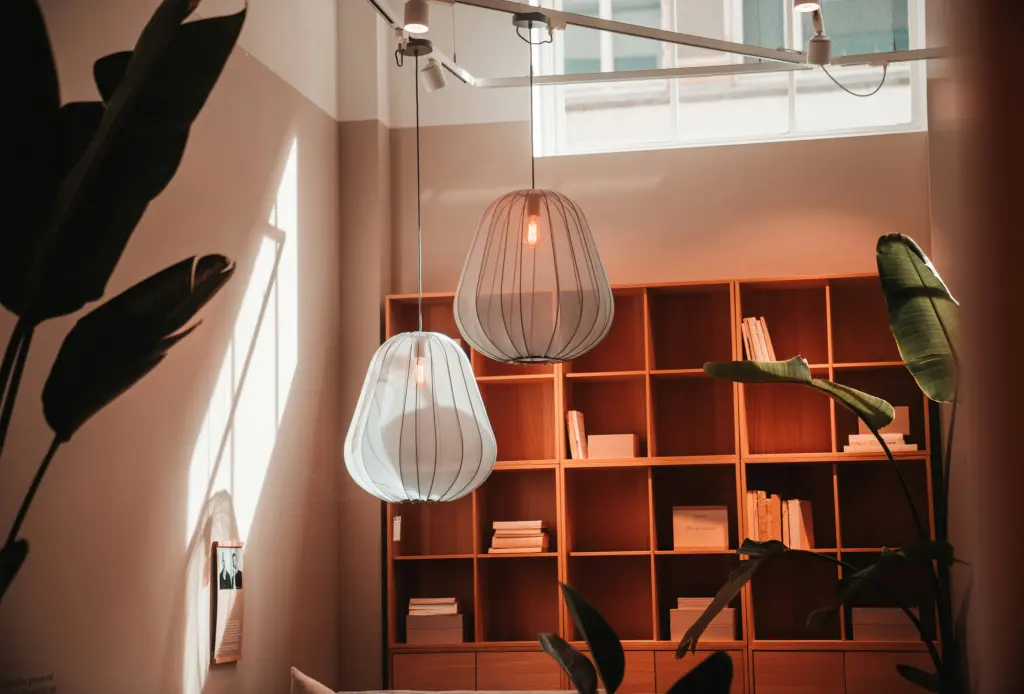
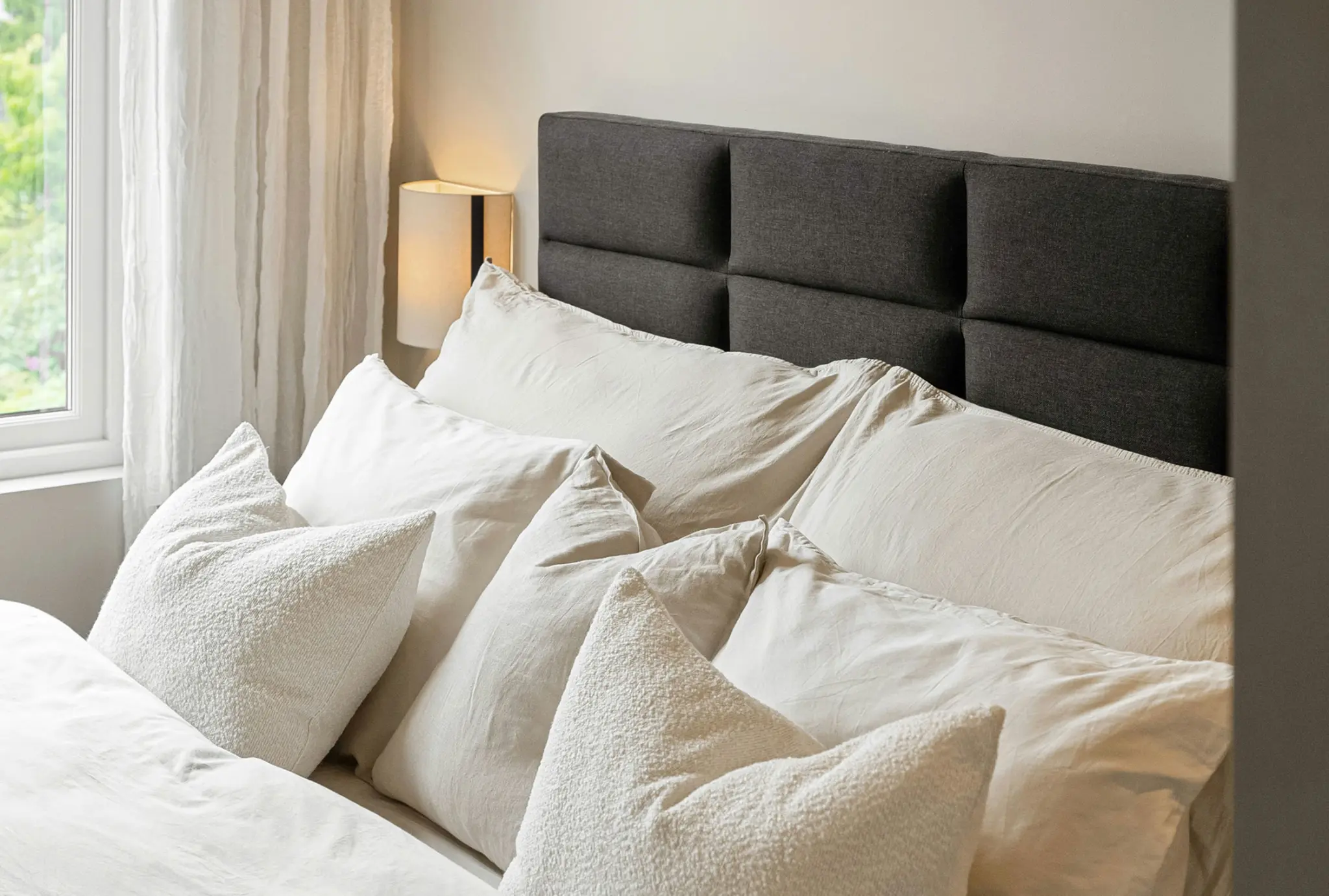
Patterns and textures add depth without relying on colour. Used carefully, they bring warmth and visual interest to minimal interiors.
Thank you for reading this post, don't forget to subscribe!Texture works best when layered subtly—natural fabrics, matte finishes, and tactile surfaces that invite touch. Patterns should support the space, not dominate it, allowing the eye to rest.
When handled with restraint, texture becomes a quiet language that enriches everyday spaces.
Texture as a Sensory Experience
Texture influences how a space feels as much as how it looks. Natural finishes, woven fabrics, and matte surfaces invite touch and comfort.
These tactile elements help soften interiors, making them feel lived-in rather than styled.
Patterns and textures bring depth and character to interiors, often without relying on colour. When used with restraint, they enrich spaces subtly and meaningfully.
Using Pattern With Intention
Patterns should support the overall mood of a space. Subtle repeats and muted motifs add rhythm without drawing excessive attention.
When pattern is intentional, it complements architecture instead of competing with it.
Layering Without Excess
Combining textures requires balance. Too many competing surfaces create noise, while thoughtful layering adds richness.
Restraint ensures each material has room to be appreciated.
“The textures add warmth without overwhelming the room. Everything feels balanced.”
Megha K Tweet
Creating Visual Calm
When patterns and textures are carefully balanced, interiors feel composed. Visual interest exists, but the space remains calm and cohesive.