from mood to matter

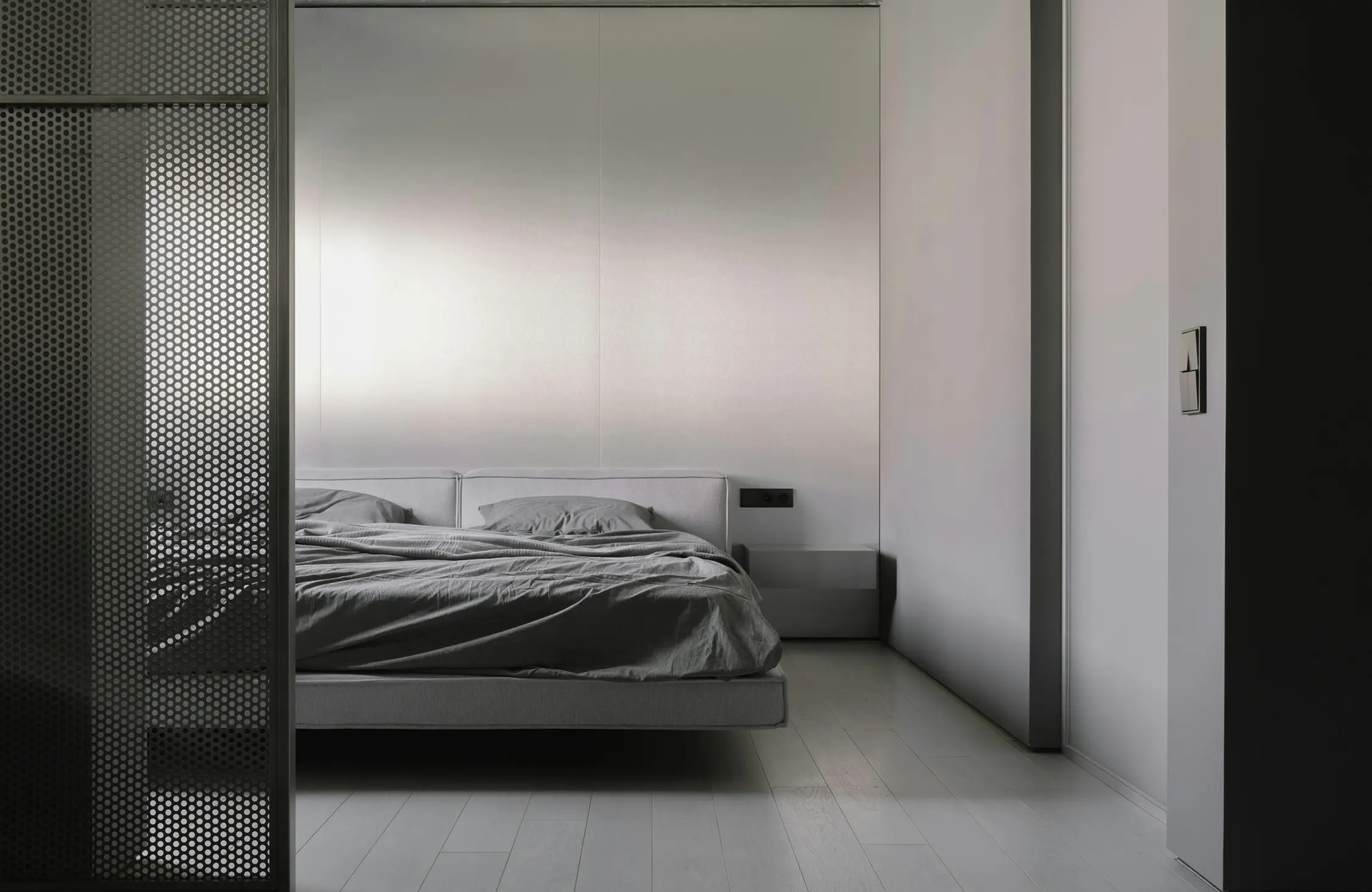
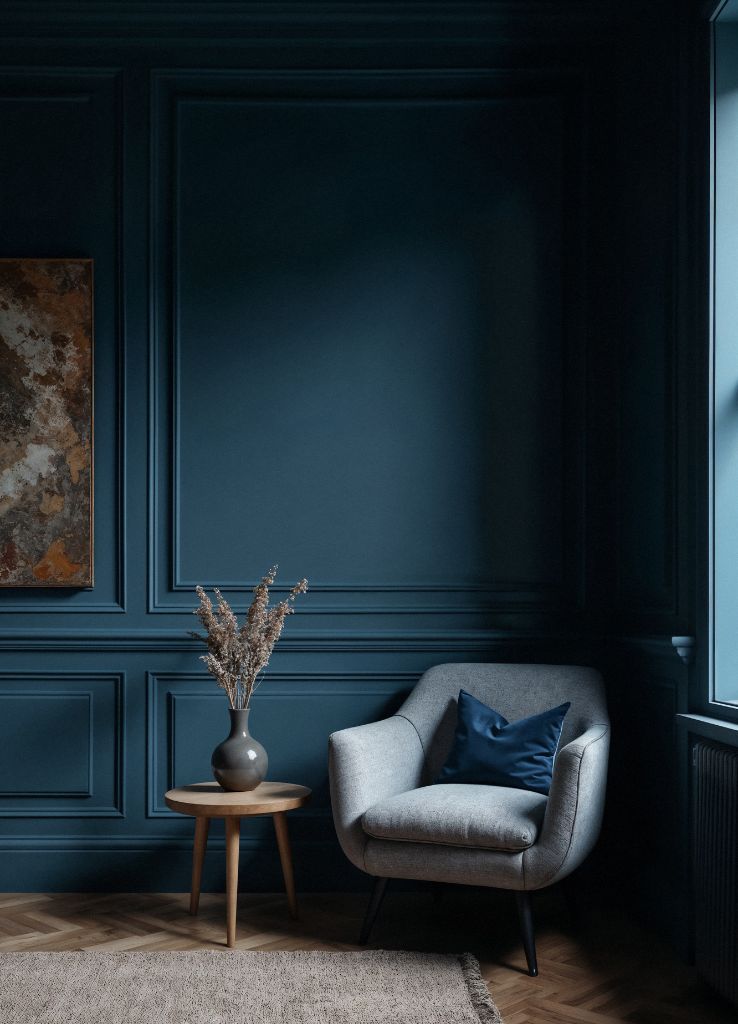
Every interior begins with a feeling before it becomes a form. A mood—calm, warmth, clarity—sets the direction, but it is materials that give that feeling permanence.

Thank you for reading this post, don't forget to subscribe!

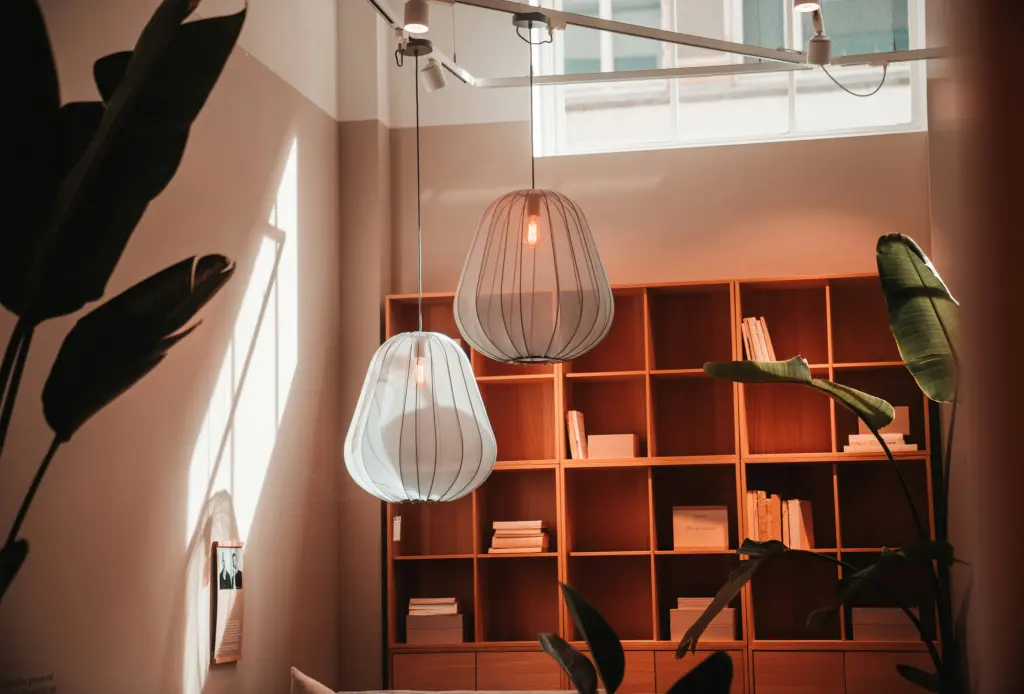
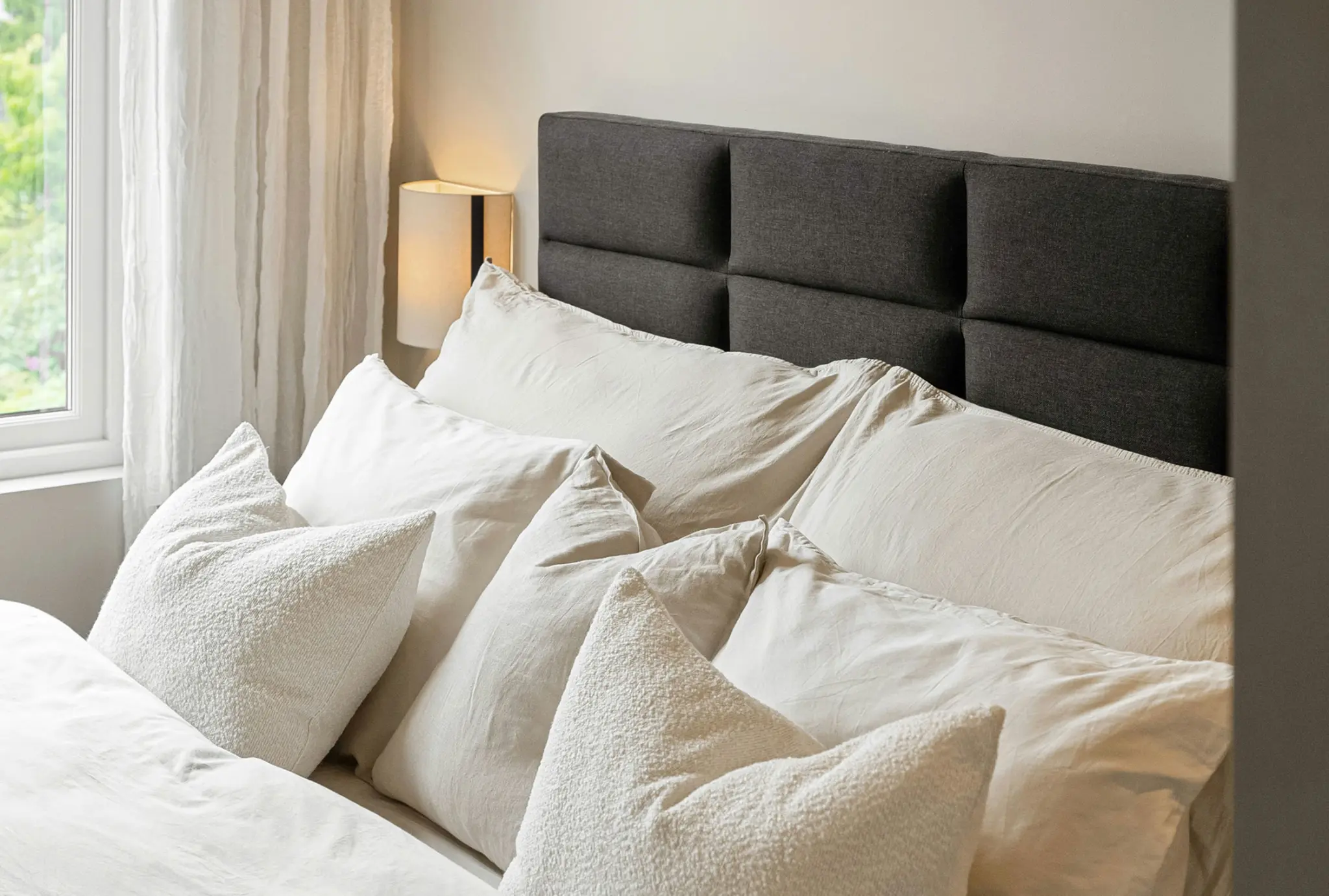
The transition from mood to matter is where design becomes tangible. Soft light translates into warm finishes, calm becomes muted colour palettes, and comfort appears through texture and proportion. Rather than relying on statements, restrained interiors let materials speak through balance and repetition.

When mood and material align, spaces feel grounded, intentional, and enduring.

Beginning With Emotion

Every interior begins as a feeling. Before a single material is chosen, there is an intention—a mood that defines how the space should feel when lived in. Translating that mood into tangible form is where design becomes meaningful.

Emotion sets direction. Calm, warmth, clarity, or softness often guide early conversations and help establish the tone of a project. Defining this emotional framework ensures that decisions remain cohesive rather than reactive.

When mood is clear, the design process becomes more focused. Choices are filtered through intention, preventing unnecessary additions that dilute the original idea.

Materials That Carry Meaning

Materials give physical presence to emotion. The warmth of wood, the quiet solidity of stone, or the softness of textiles all contribute to how a space is experienced daily. These elements are not decorative—they shape comfort, acoustics, and atmosphere.

Selecting materials with care ensures that the space feels grounded rather than superficial. When materials are honest and well-balanced, they quietly reinforce the intended mood.

Balancing Presence and Restraint

Strong materials do not require excess. Restraint allows textures and finishes to breathe, giving each element space to be appreciated. Rather than dramatic contrasts, subtle variations create harmony.

This balance prevents interiors from feeling overstated. Instead, the space feels composed, thoughtful, and enduring.

“The materials feel intentional and calm. The space has a quiet confidence.”

When Design Feels Complete

An interior feels complete when mood and material align seamlessly. Nothing calls attention to itself, yet everything feels intentional. The space supports daily life without explanation.

In such interiors, design recedes into the background, allowing living to take centre stage.

What do you think?

Related