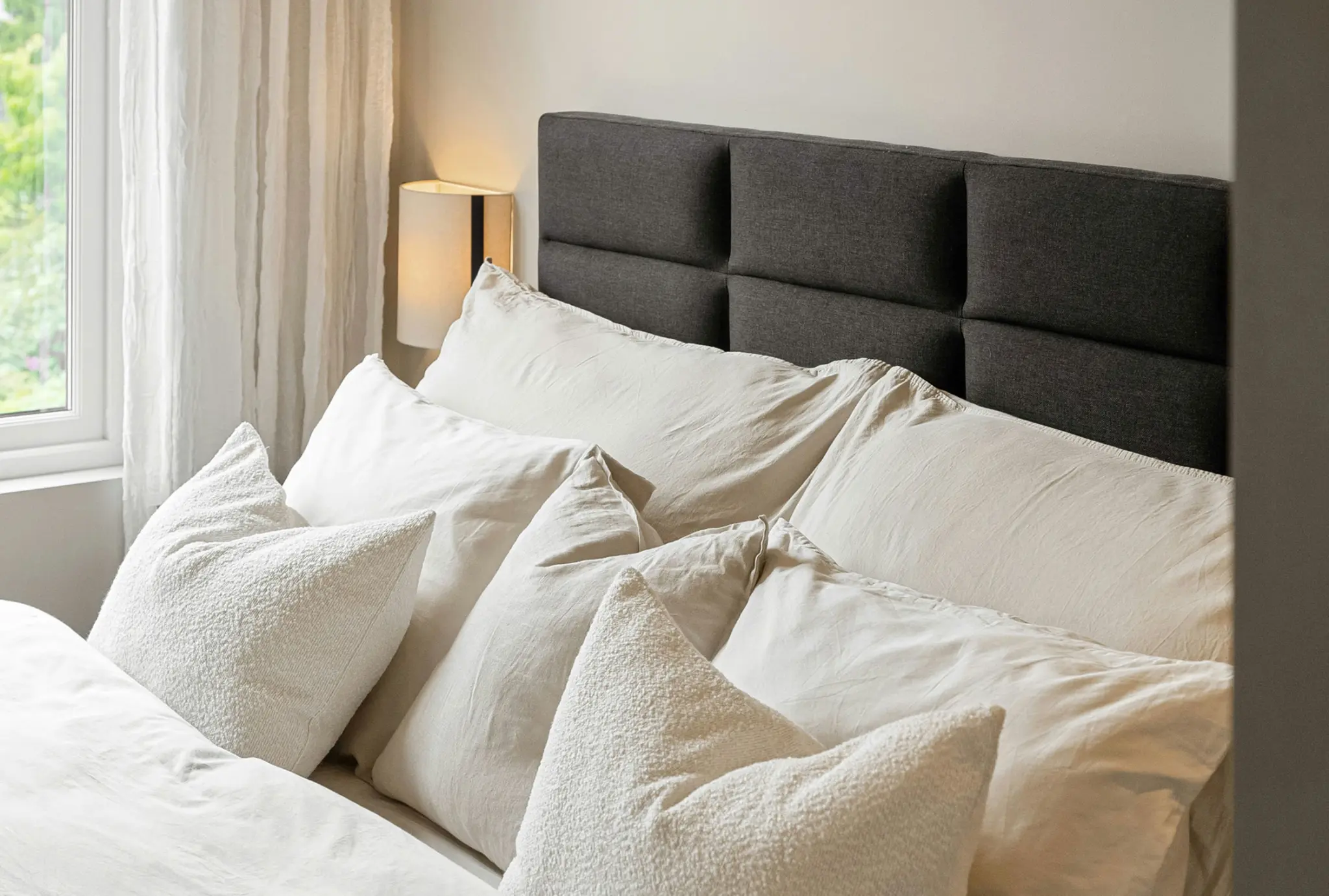
designing for real life

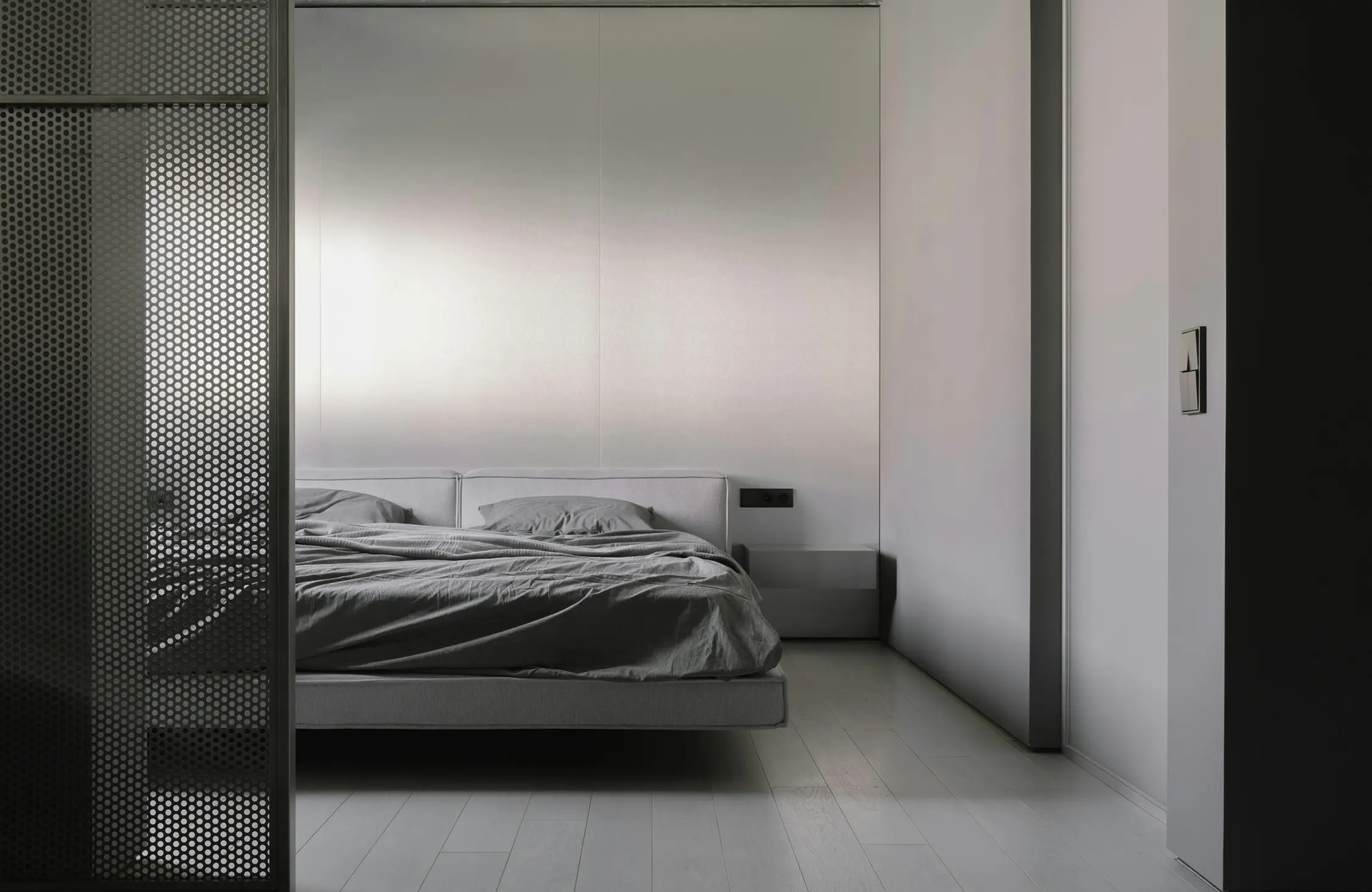
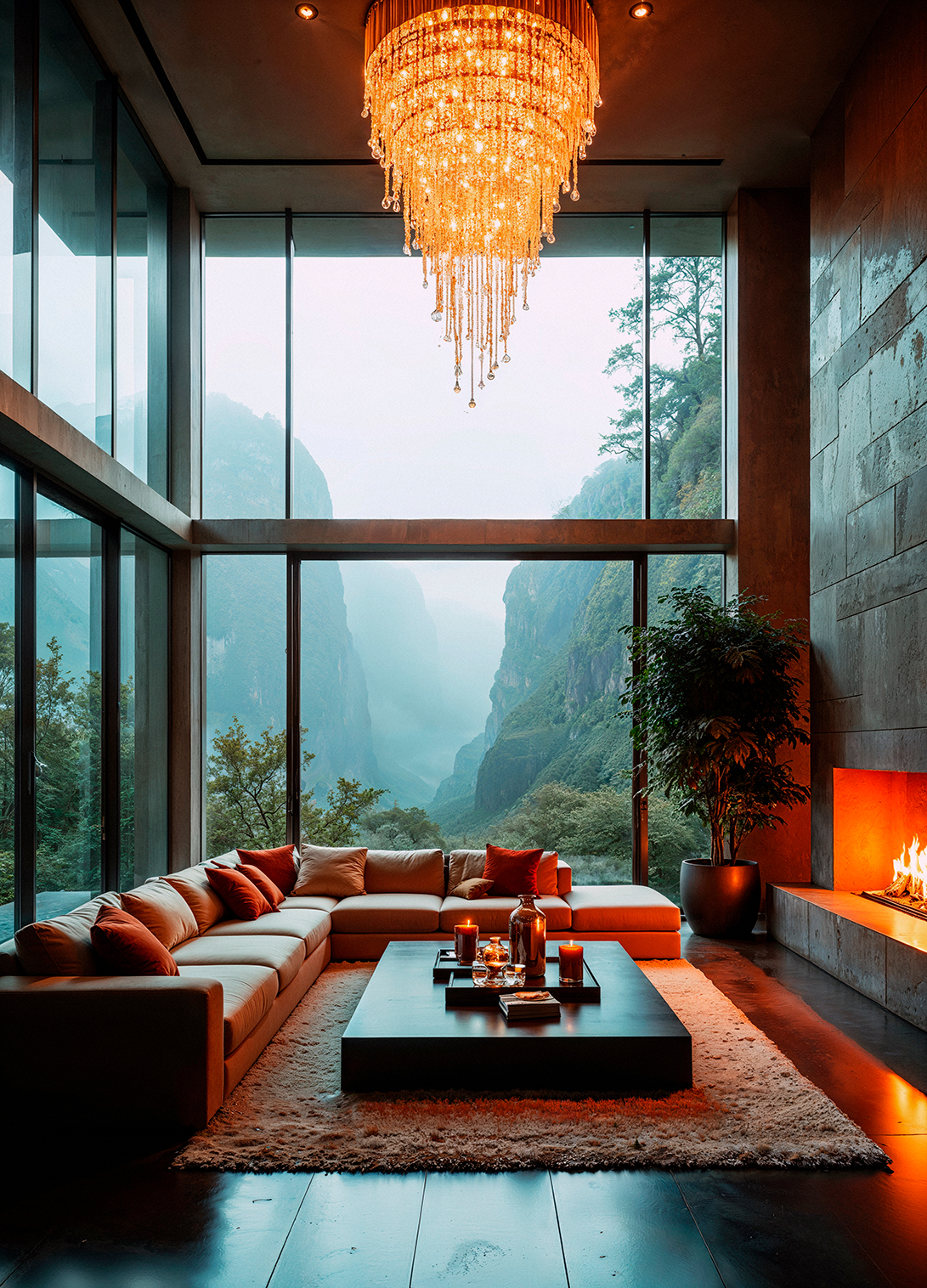
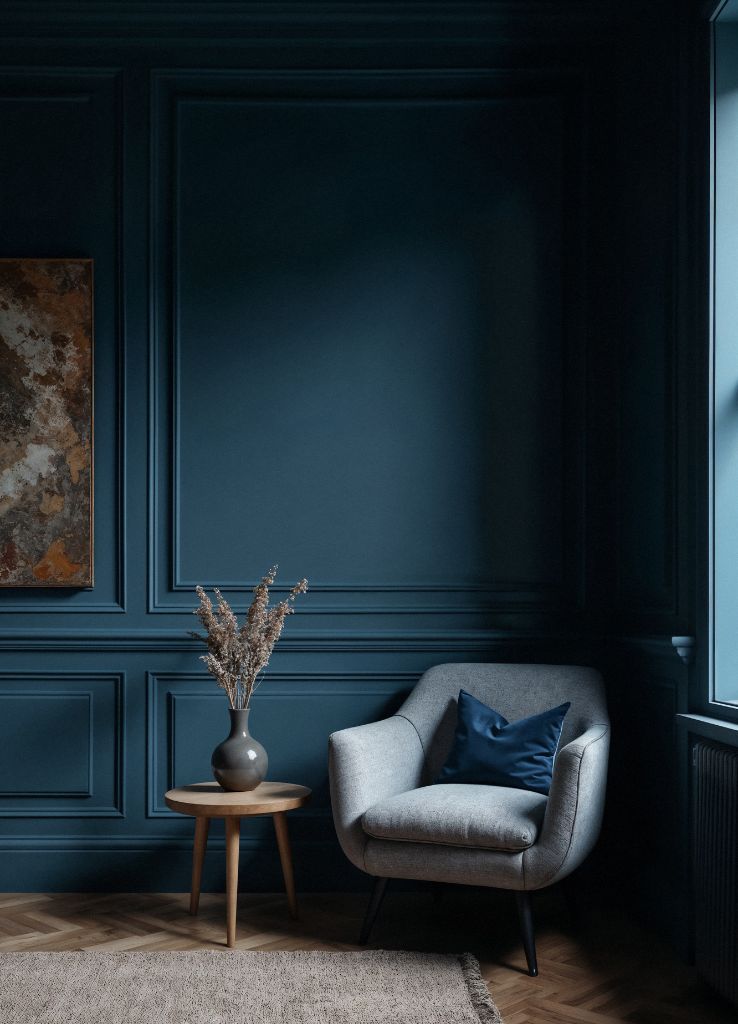
Good interior design begins not with images, but with everyday routines. How a space is used matters more than how it photographs. Designing for real life means paying attention to movement, storage, light, and moments of pause.

Thank you for reading this post, don't forget to subscribe!

Homes that work well are often the simplest—layouts that allow natural circulation, materials that age gracefully, and furniture that supports daily habits rather than dictating them. Instead of over-planning, thoughtful restraint allows a space to adapt as life changes.

A well-designed home should feel intuitive. When design quietly supports living, the space becomes effortless to inhabit.

Looking Beyond Aesthetic Statements

Designing a home that feels truly lived-in begins not at the moodboard, but in understanding how a space is used day after day. Too often, interiors are conceived with an eye toward visuals alone — snapshots for social sharing — rather than the subtle, continuous rhythms of daily life.

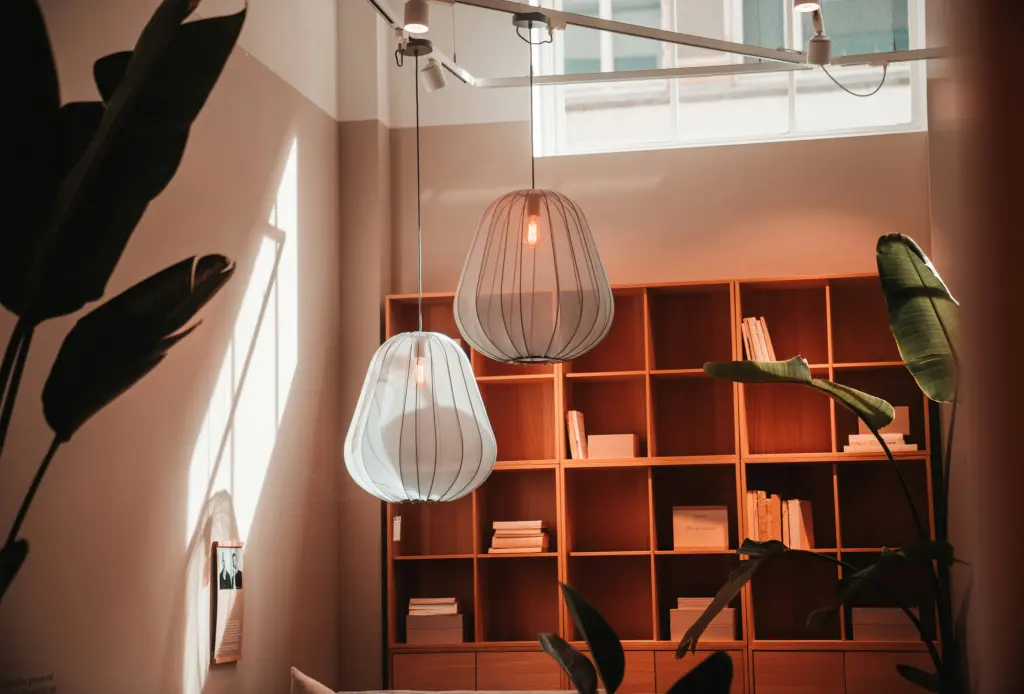
A well-designed home supports routine without noise. It anticipates how light shifts through the day, how surfaces feel under hand, and how movement flows within a floor plan. This shift — from image-centric to life-centric design — is the foundation of interiors that feel intentional and effortless.

Understanding Daily Movement

Real life rarely conforms to isolated vignettes. Kitchens must accommodate morning bustle, bedrooms must cradle rest, and living spaces must transition between solitude and social moments. To design for these lived experiences, we ask questions before sketches: Where do you linger? Where do you stumble? What do you reach for without thinking?

These answers shape the placement of storage, lighting, seating, and circulation. Each decision is incremental, yet in sum — they define how well a space works, rather than merely how it looks.

Designing for Longevity

Designing for real life is an exercise in restraint. By focusing on essentials and avoiding excess, interiors gain longevity, remaining functional and meaningful long after trends fade.

“The home feels natural and well thought out. It works beautifully for how we actually live.”

Discipline Over Decoration

True restraint in residential interiors is not absence, but precision. It means eliminating what doesn’t serve, and refining what does. Homes that function well — even under the unpredictability of daily life — are thoughtful in their simplicity.

Designing for real life is a quiet discipline that yields spaces that welcome, support, and endure.

What do you think?

Related