Sustainable design begins with conscious choices. Buildings play a significant role in shaping how energy is consumed and conserved.
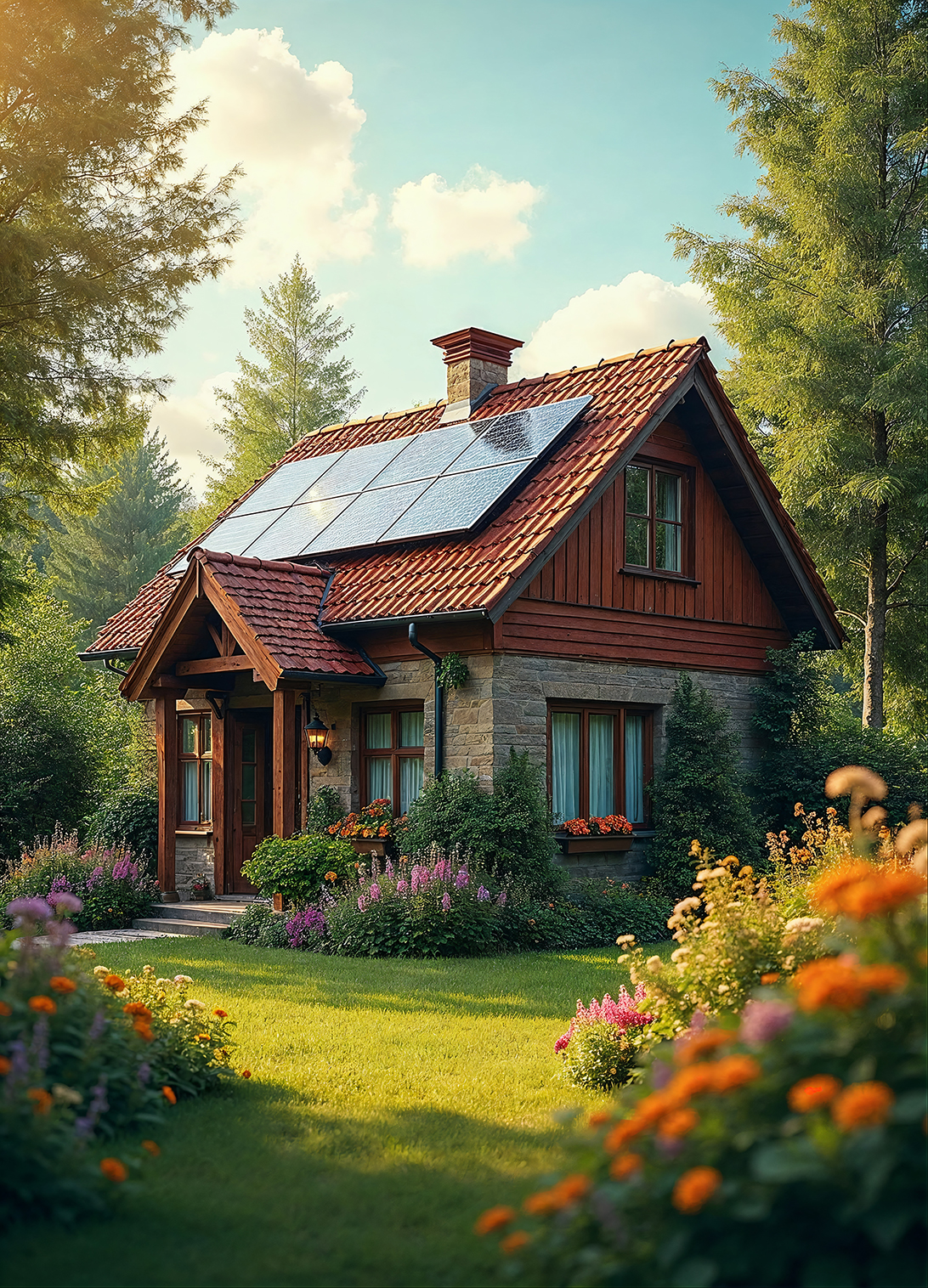
Thank you for reading this post, don't forget to subscribe!Thoughtful orientation, efficient materials, and passive design strategies reduce dependence on artificial systems. Integrating clean energy solutions is not about complexity, but long-term responsibility.
The future of building lies in creating spaces that respect resources while supporting comfortable living.
Designing With Climate in Mind
Orientation, shading, and ventilation significantly influence energy performance. Designing in response to climate reduces reliance on mechanical systems.
These early decisions shape long-term comfort.
The future of building lies in responsible design choices. Architecture plays a crucial role in shaping energy use and environmental impact.
Material Efficiency and Longevity
Materials affect insulation, durability, and energy consumption. Choosing wisely supports both performance and sustainability.
Longevity is as important as efficiency.
Passive Design Principles
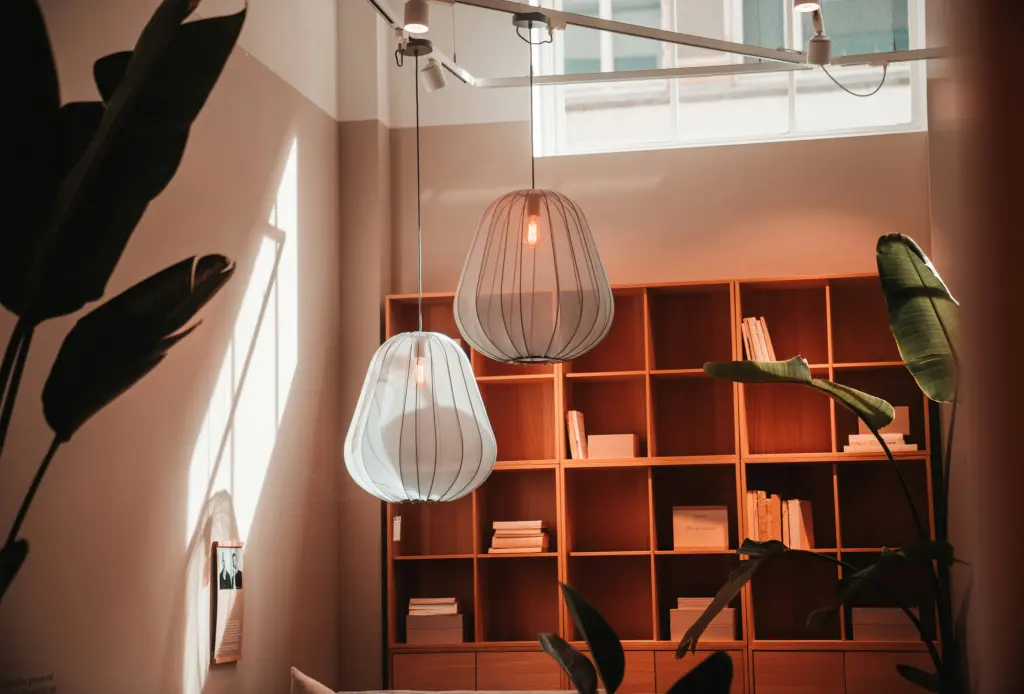
Natural light, cross-ventilation, and thermal mass reduce energy demand while enhancing comfort.
Passive strategies work quietly, supporting daily living without complexity.
“The sustainability approach felt practical and well considered, not forced.”
Praveen S Tweet
A Responsible Design Outlook
Clean energy solutions are most effective when integrated thoughtfully. Sustainable design is not about trends, but long-term balance between comfort and responsibility.